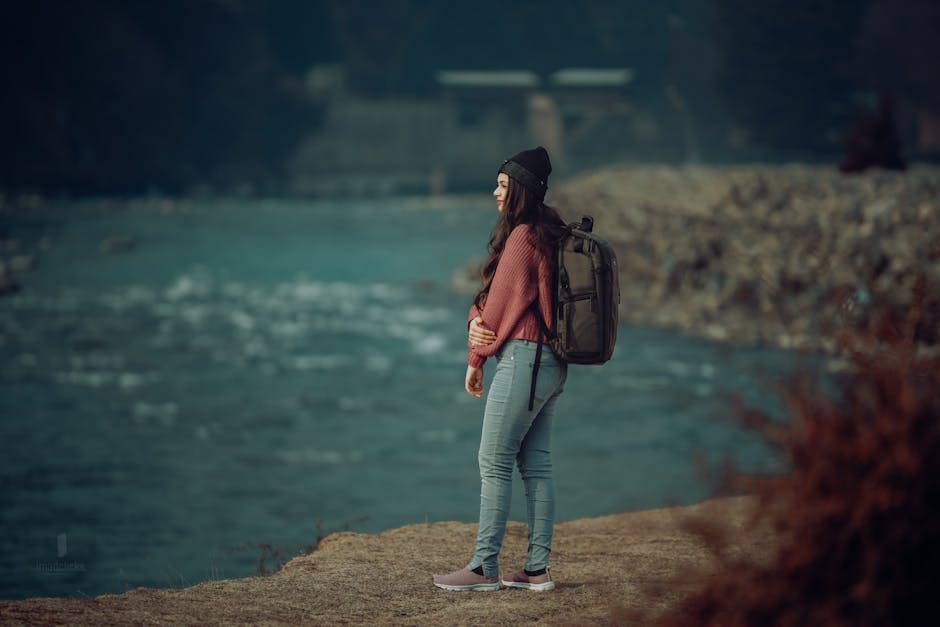
Solo travel for women became a wellness-industry talking point in the 2010s. Marketing aside, the actual psychological benefits are well-documented and significant — particularly for women who've spent years prioritising others' needs. Here's what changes.
What solo travel does that group travel can't
Forces decision-making about every detail (what to do, where to eat, when to rest). Strengthens self-trust over weeks. Removes the social mirror — no friends or family reflecting back assumptions about who you are. Creates space for actual reflection rather than processing experience through others.
Why women particularly benefit
Most women's daily lives involve substantial caretaking and accommodation of others' preferences. Solo travel temporarily inverts this — your needs are the only ones to consider. The psychological reset is significant; many women report increased clarity and energy for months after.
First-solo-trip practicalities
Pick a destination where logistics are easy — good infrastructure, English commonly spoken, low crime. Lisbon, Edinburgh, Tokyo, Wellington, Reykjavik are common first-solo-trip destinations.
Length: 5-10 days first time. Long enough to settle in; not so long it becomes lonely before benefits accrue.
Accommodation: boutique hotel or solo-traveler-friendly hostel (private room). Co-working/co-living spaces (Selina, Outsite) suit longer trips.
Managing the harder parts
Loneliness in restaurants: bring a book or journal. Many solo travelers report this fades after first 2-3 days. Safety anxiety: realistic in first day, settles as you orient yourself. Reach out to home daily if it helps. Decision fatigue: have one easy 'default' for unsure moments (your accommodation's restaurant for dinner, a familiar coffee chain in the morning) so you're not always deciding.
Solo travel is one of the few experiences in modern life that creates structured aloneness with purpose. The benefits compound; one trip a year produces noticeable accumulated effect over a few years.