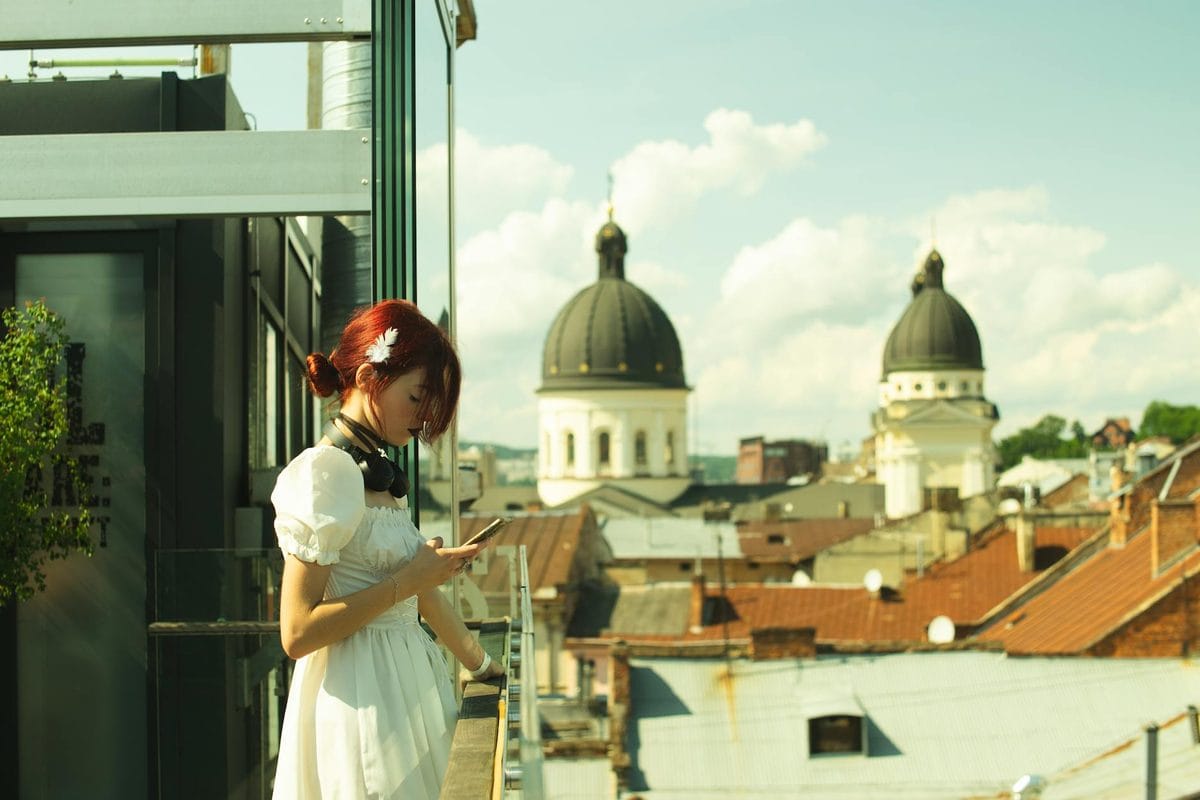
There is a particular kind of misery that sets in around 11am on a mid-August day in Florence, when the queue for the Uffizi has stopped moving and the back of your neck is burning and the person next to you is filming the line itself, as if the wait were the attraction. You came for Botticelli. You got a sweaty corridor and a €34 ticket that felt like a fine. Most of Europe's marquee destinations are running at this kind of pressure right now, and the maddening part is how avoidable it is.
Shift your trip by three or four weeks and the entire experience changes. Late August into September is the shoulder season most travellers ignore because school terms anchor them to July and the first fortnight of August. The water is still warm. The light is softer. The crowds thin out almost overnight once the Italian and French holidays end around the third week of August, and prices for flights and rooms drop with them. Below are the places where going off-peak isn't just cheaper — it's genuinely better.
Slovenia, when Lake Bled finally exhales
Bled in early August is a postcard with a traffic problem. The island church, the cliff-top castle, the impossibly green water — all of it shared with coach tours that arrive in waves from nine until four. Come in the second half of September and the lake feels like it belongs to the people staying overnight. The pletna boatmen still row you out to the island for around €18 return, but you're not queuing behind forty others for the photo.
The wider point about Slovenia is that it rewards the traveller who treats Bled as a starting line rather than the whole race. Drive forty minutes into the Soča Valley and you find turquoise water you can actually swim in without negotiating for towel space. The Vršič Pass, the highest road in the country, is open and clear of summer convoy traffic by late September. Guesthouses in Bohinj — the bigger, wilder lake most day-trippers skip — run roughly €70–90 a night in shoulder season against the €120-plus you'd pay at the August peak. If you only have a weekend, base yourself in Bohinj and visit Bled, not the other way around. Everyone does it backwards.
When to go
The sweet spot is 15 September to 10 October. The alpine air sharpens, the larches start to turn gold, and the hiking trails above the lakes are still snow-free. Avoid the first two weeks of August entirely unless you enjoy paying premium rates to share a bench.
Puglia after the Italians go home
The heel of Italy has become fashionable, which means July and the first half of August now bring Milanese and Roman holidaymakers who fill the trulli of Alberobello and the white lanes of Ostuni and the lidos along the coast. Their leases on the season end with a hard stop. By the last week of August the beach clubs near Polignano a Mare drop their sunbed-and-umbrella sets from around €40 a day to €20, and by mid-September many simply pack up.
This is the moment to go. The Adriatic holds its heat well into October — you can swim off the rocks at Polignano in a T-shirt-and-trunks afternoon long after the crowds have gone. The masserie, those fortified farmhouses turned into hotels among the olive groves, are where the real savings hide. A double at a mid-range masseria near Ostuni that commands €220 a night in the first week of August often sits at €130–150 by late September. Book one with its own kitchen garden and you'll eat orecchiette made by the owner's mother and wonder why you ever thought August was the time to come.
One honest caveat: a few of the smaller agriturismi and family-run trattorie in the deep countryside do close for a fortnight around Ferragosto, the 15 August national holiday, and some don't reopen until the start of September. If you're going for a specific restaurant, call ahead. The trade-off is overwhelmingly worth it — empty beaches against a closed sign at one osteria is not a difficult sum.
The Azores, where peak season barely registers
Out in the mid-Atlantic, Portugal's nine volcanic islands run on a different clock entirely. There is no August crush here in the Florence sense, because the Azores were never built for mass tourism and the weather doesn't deliver guaranteed sunbathing. What it delivers instead is whale watching, crater lakes, and hot springs in the rainforest — and the best window for all three is late summer.
September is arguably the finest month to visit São Miguel, the main island. Sperm whales and dolphins are reliably offshore, the sea is at its warmest for swimming in the natural pools at Ponta da Ferraria, and the hydrangeas that line the roads are still in bloom. Flights from Lisbon run year-round, and from the UK the seasonal direct routes to Ponta Delgada hold through September before thinning out. A guesthouse in the town centre costs around €60–80 a night; a whale-watching trip with one of the marine-biologist-led operators is roughly €60 for three hours. Go to Furnas, eat the cozido stew that's cooked underground in the volcanic earth, and soak in the orange thermal pool at Terra Nostra afterwards. There is no version of this trip that gets worse for being off-peak.
Galicia, Spain's quiet green corner
While the rest of Spain bakes and the Costa del Sol turns into a car park, the northwest stays cool, green and improbably uncrowded. Galicia gets weather more like Brittany than the Mediterranean, which is precisely why the August hordes go elsewhere — and precisely why you should go here instead.
Santiago de Compostela in September has a particular atmosphere. The bulk of pilgrims who walked the Camino through the hot months have come and gone, the cathedral square has room to breathe, and the city's tapas bars in the old town serve pulpo á feira — octopus dressed with paprika and oil — without the summer wait. Drive out to the Rías Baixas, the drowned river valleys of the coast, and you'll find some of the best seafood in Europe at half the south-coast price: a plate of grilled sardines and a bottle of crisp local Albariño for under €25 in a harbour-front spot. The beaches of the Costa da Morte are wild, Atlantic and gloriously empty even at the height of summer; by September they're yours alone.
If your idea of a good holiday is reading on an empty beach with a glass of cold white wine and a plate of clams within arm's reach, Galicia in September beats anywhere on the Mediterranean. It isn't close.
How to actually dodge the prices and the queues
Knowing where to go is half of it. The other half is the mechanics, and a few of these matter more than the brochures admit.
- Travel mid-week, always. A Tuesday-to-Tuesday trip routinely beats a Saturday-to-Saturday one by 20–30% on flights, and the difference on car hire can be even sharper because the weekend pick-up surge eases off.
- Book the big-name sights for the first slot or the last. The Alhambra, the Uffizi, Sagrada Família — almost all of them now sell timed entry online, and the 8.30am and final-hour slots are the ones the coach tours can't reach.
- Go to the second-choice town. Bohinj instead of Bled, Ostuni instead of Polignano in peak week, Pontevedra instead of Santiago for a night. The famous one is a day trip; the runner-up is where you sleep, eat and spend less.
- Watch the local holiday calendar, not just yours. Italy's Ferragosto, France's late-July to mid-August migration, Spain's regional fiestas — knowing when the locals leave tells you exactly when the prices fall and the queues clear. That information is free and almost nobody uses it.
The deeper truth is that "peak season" is largely a school-calendar artefact, and once you're past the years of being tied to it — or if you can borrow a week in late September — there is almost no reason to travel in the crush. The destinations are the same. The weather, in most of southern Europe, is barely distinguishable from high summer well into October. What changes is the texture of the day: whether you spend it in a queue or on a near-empty terrace watching the light go gold over a lake that, for once, you have mostly to yourself.
Pick one of these. Move your dates three weeks. Then go and find out what these places are actually like when they're not on fire.