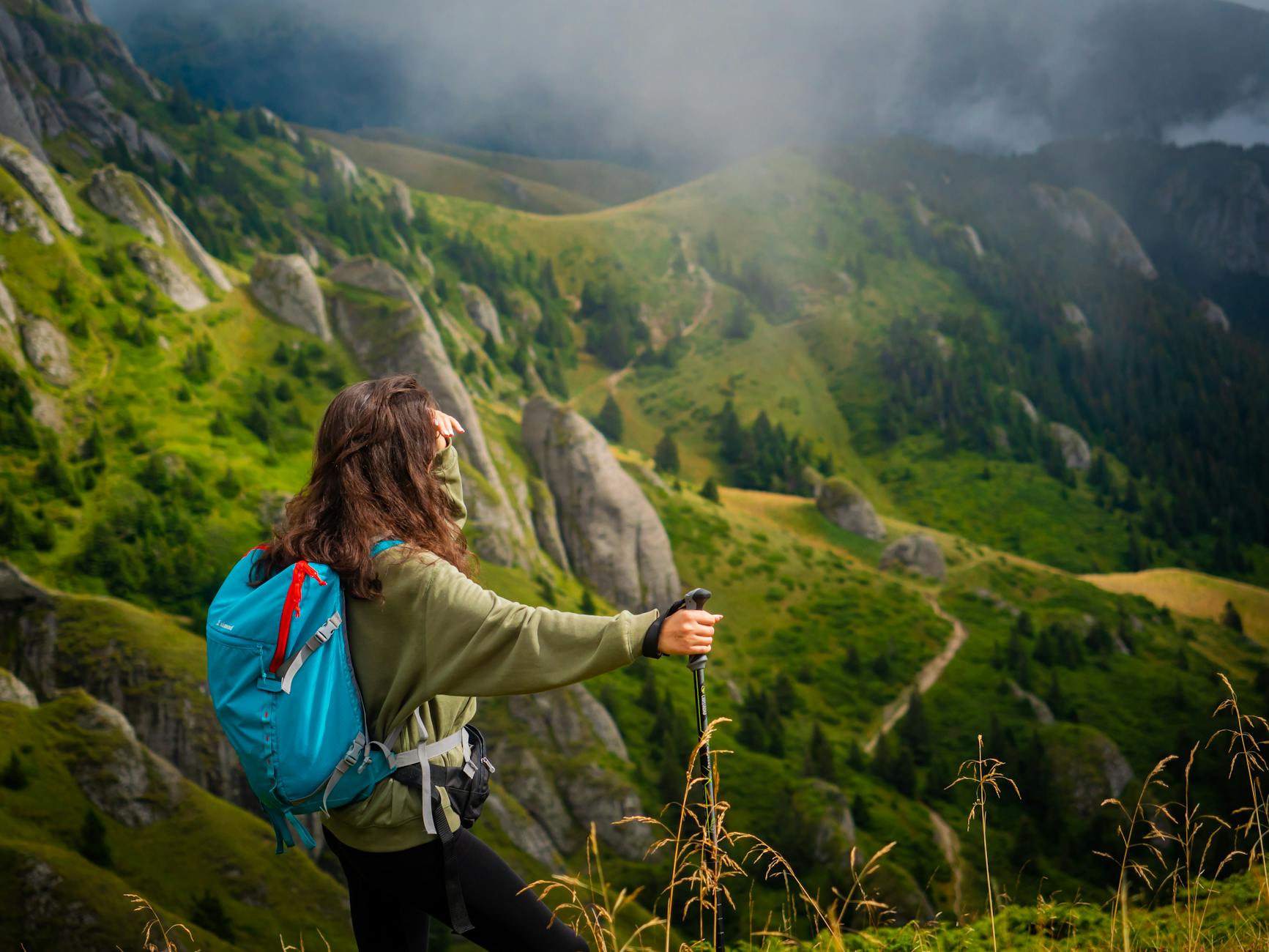
Solo female travel writing tends to split into two camps. The first treats every destination as a threat and prescribes layers of caution that gradually shrink the experience until you might as well have stayed home. The second is breezily optimistic and skips over the genuine adjustments that women have to make. Neither is honest. The version that holds up after twenty years on the road is somewhere between — most places are safer than the news cycle suggests, a few are not, and there are twelve rules that quietly do most of the safety work without removing the point of the trip.
What follows is for women travelling alone in mid-budget circumstances — hostels, mid-range hotels, occasional buses and trains, occasional rental cars — across countries in Europe, Southeast Asia, the Americas, and increasingly the Caucasus and the Balkans. Adjust upward for higher-risk destinations and downward for the ones at the very safe end of the curve.
1. Choose your transit from the airport before you land
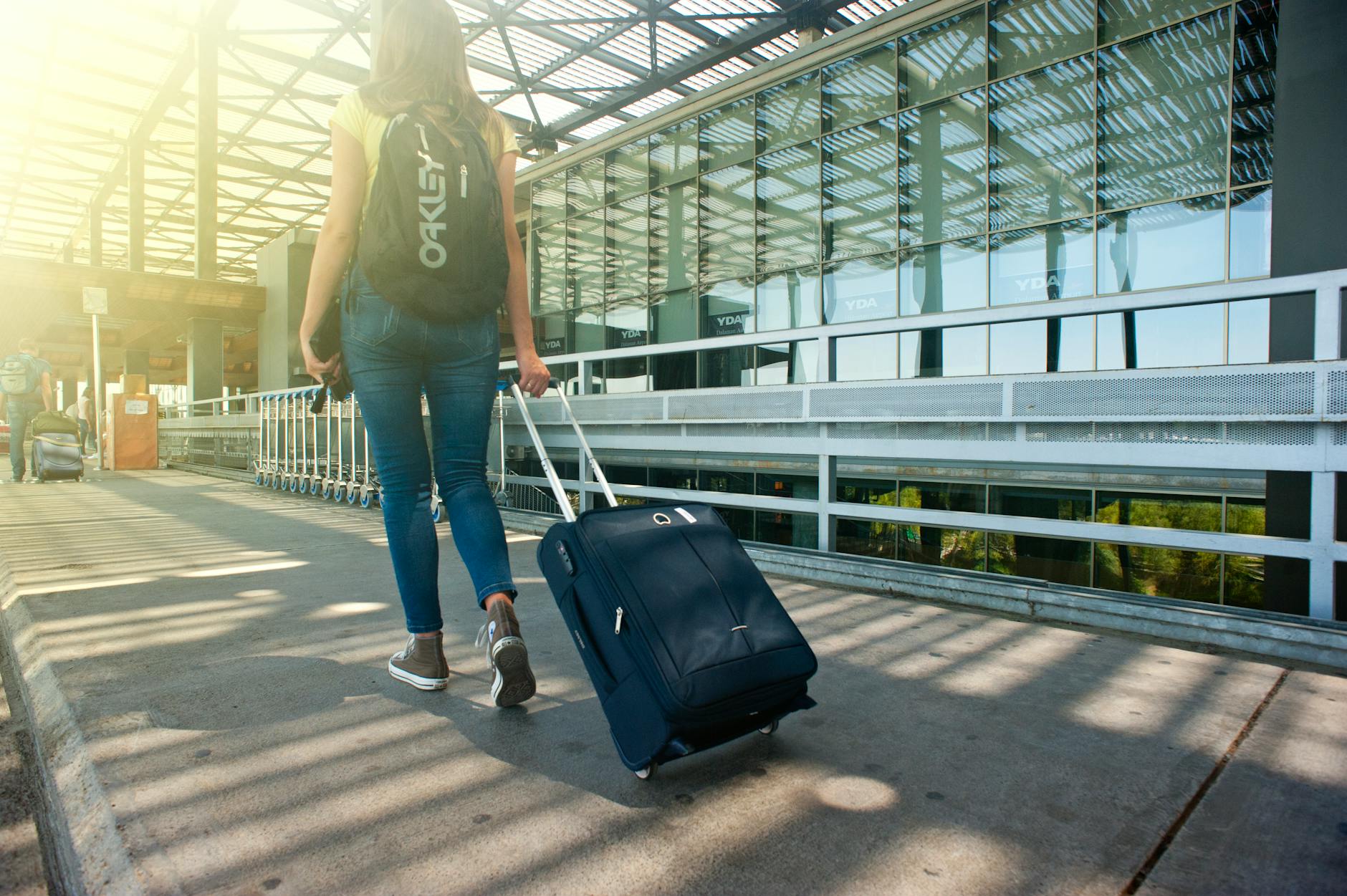
The window between landing exhausted and arriving at your accommodation is the single highest-risk segment of most trips. Pre-arrange a taxi through the hotel, book a Bolt or Uber to the airport pick-up zone in advance, or look up the airport-to-city train and the last station you need to walk through. Whatever you do, decide it before you collect your bag. Standing in arrivals with a phone out and no plan is when overpriced, sometimes sketchy taxis happen.
2. Tell two people your itinerary, in writing
Not on Instagram. A simple email to a parent and a sibling — or two close friends — with your accommodation addresses and approximate movements. Update it when plans change. The two-person system is more robust than one: if one is asleep or unreachable, the other might not be.
If you are going somewhere with limited connectivity — Patagonian Chile, the highlands of Vietnam, parts of central Anatolia — buy a Garmin inReach Mini for the trip. The unit runs around $400 plus a $15 monthly subscription. It does one thing — send a check-in or SOS via satellite when there is no phone signal — and it has saved enough lives to be worth it for trips with any wilderness exposure.
3. Book the first three nights, leave the rest open
Pre-booked nights remove decisions while you are still jet-lagged. After three nights you know enough about the place — what feels safe, where the foreigners actually stay, what your travel companions are like if you have met any — to make better choices. Booking the whole trip in advance is a common mistake. It locks you into bad accommodation you cannot leave without losing money.
4. Trust the discomfort, but verify it
Female intuition gets oversold in travel writing as if it were a magical sense. It is not magical, but it is real — it is your brain processing micro-signals (body language, eye contact, the way a group disperses) faster than your conscious mind. If a situation makes you uncomfortable, leave first and analyse later. The cost of leaving early is small. The cost of staying past the warning is occasionally enormous.
The verification step matters because intuition has false positives. A man asking which way the bus station is may not actually be threatening. Leave the situation, then assess what about it triggered you. Over time the pattern of true alarms versus false ones becomes legible.
5. Lie about your travelling companions
The standard taxi-driver question — are you travelling alone — has an instinctive answer that is almost always the wrong one to give. Practice the lie in advance. My boyfriend is meeting me at the hotel. We are a group of four — I am the first one in. My husband flies in tomorrow. The lie costs you nothing and changes how a small percentage of drivers and strangers interact with you. The percentage is small enough that you almost never notice. It is also large enough that it is worth defaulting to the lie.
6. Carry money in two places
A working wallet with the day's cash and one card. A backup stash — second card, emergency cash, photocopy of your passport — somewhere else entirely. In a money belt under your clothes, sewn into the lining of a jacket, or locked in your accommodation safe. If you get robbed, the working wallet is the loss; the backup gets you to a bank and a new flight.
The amount of cash to carry varies by country. Roughly enough for two days' expenses in the working wallet, two weeks' expenses in the backup. More than that and you are carrying too much risk.
7. Drinks are still the most common vector
The boring advice about not leaving your drink unattended remains the single most evidence-backed piece of safety guidance for women travelling. Most reported incidents involving spiked drinks happen in bars or clubs where the woman left her drink within reach of a stranger. The intervention is dull and works: keep your drink in your hand or buy a new one. The cost of an extra drink is roughly £5 in most destinations. The cost of the alternative is incalculable.
8. Dress for the country, but never for invisibility
Some countries — much of Southeast Asia, the Gulf, parts of South Asia — have dress norms that meaningfully reduce friction when respected. A long skirt and a scarf in your day bag for temples or churches. Loose trousers in markets in Cairo or Tehran. This is not about disappearing — you cannot disappear as a foreign woman in most places. It is about removing the most easily-removed irritation from your day. Read the FCDO advice for the destination before you pack.
9. Walk like you know where you are going, even when you do not
The single biggest predator of opportunistic crime is confidence in posture. Heads down, phones out, looking at maps in the middle of a crowd is the visual signature of a tourist who can be approached. The fix is not to skip the map — it is to step into a café, look at the map, step out, and walk in the direction you have decided. Walking confidently in the wrong direction for two blocks is fine. You can correct course at the next café. Looking confused for two blocks invites attention.
10. Trust other women before you trust other foreigners
If you need a safety read on a neighbourhood, the woman behind the hotel desk or the woman running the café knows more than the well-meaning male traveller giving you advice over hostel breakfast. Local women have spent years calibrating the same risk you are calibrating in two minutes. Ask them, in any language fragment you have. They will usually tell you.
11. Carry a sturdy doorstop
This is the rule most safety guides skip. A rubber doorstop weighs nothing, costs £4, and wedges under your hotel door from the inside. It is not for the high-end international chain hotels. It is for the cheaper guesthouses in countries where staff sometimes have keys to all rooms and reception attitudes about your privacy can be casual. One doorstop, twenty years, multiple nights it has earned its place in the bag.
12. Have a return-home routine
This is the rule no one names and most experienced travellers learn by accident. Long solo trips disorient you in ways that are slow to surface. Build in a soft landing — two days at home before you go back to work, a meal with someone who knows you, an evening of unpacking properly instead of leaving the bag in the hallway for three weeks. The trip ends not when the plane lands but when you have made room for the version of you who travelled to settle back into the version of you who lives at home. Skip that decompression and the next trip you book is often a panicked one, which is exactly the wrong way to plan the next adventure.