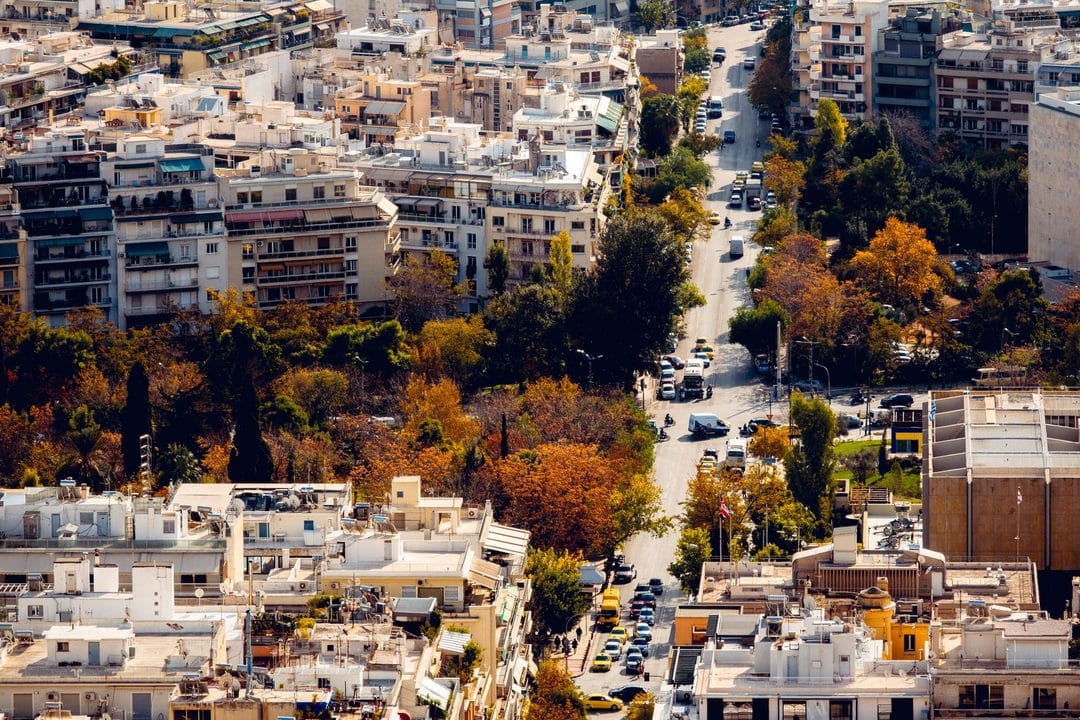
There's a quiet conspiracy in travel that nobody quite says out loud: a lot of Europe's most famous cities are at their absolute worst in the months we're all told to visit them. July and August mean queues that swallow half a day, restaurants that have stopped caring because the next coachload is already arriving, prices inflated to summer madness, and heat that turns a walk through a beautiful old town into an endurance event. We do it anyway, because that's when the holidays are, and then we come home faintly disappointed and blame ourselves.
October is the answer almost nobody books. The crowds thin to a trickle, the light turns golden and forgiving, the prices drop, and the cities relax back into themselves. The locals stop bracing against the invasion. You can get a table. You can hear yourself think in a museum. And in a handful of places, autumn isn't just the cheaper option — it's genuinely the best time to go, full stop. Here are five worth the flight.
Seville, Spain — when the city becomes liveable again
Seville in summer is a furnace, and not in a charming way; temperatures routinely climb past forty degrees and the streets empty out at midday because being outside is genuinely unpleasant. Come in October and you get the same extraordinary city — the Alcázar, the orange-lined plazas, the tangle of the old Jewish quarter — at a temperature where you can actually walk around enjoying it. Evenings are warm enough to sit out for tapas without a jacket, the tourist crush of spring's festivals is long gone, and you'll pay noticeably less for a room. This is the clearest case on the list: there is no good reason to visit Seville in July when October exists.
Vienna, Austria — built for the cooler months
Some cities are summer cities and some are not, and Vienna emphatically is not. Its pleasures are indoor and contemplative — the grand cafés, the museums, the concert halls, the kind of afternoon that revolves around coffee and cake while it drizzles outside. In summer the café culture loses its point; in October it becomes the entire reason to be there. The autumn cultural season is just getting going, the famous coffee houses are full of locals rather than tour groups, and a slice of Sachertorte in a warm, wood-panelled room while the weather turns grey outside is one of travel's genuine quiet luxuries.
Porto, Portugal — the light and the harvest
Porto's whole character — the river, the port lodges across the water, the steep tiled lanes — is softened and improved by autumn light. More to the point, October is harvest season in the Douro valley just upriver, which gives the port a reason to exist beyond a tour, and the summer crowds that now flood the riverfront have eased off. The weather is mild rather than hot, perfect for the relentless hills, and the city feels like it belongs to the people who live there again. Pair a few days in town with a day trip up the valley while the vines are turning.
Kraków, Poland — atmospheric, and a fraction of the price
Kraków is lovely in any season, but it's a city that suits a bit of atmospheric chill better than it suits a heatwave, and the autumn light on the great medieval square is something else. The real argument here is value: Poland remains genuinely affordable by Western European standards, and in October the small summer premium evaporates entirely. You get one of Europe's most intact old towns, a serious café and food scene, and the option of the sobering, essential day trip to Auschwitz nearby — all for a fraction of what a comparable break in Western Europe costs. Bring a proper coat and you'll have a wonderful time.
Florence, Italy — finally walkable
Florence in high summer is a cautionary tale: a small city that simply cannot absorb the number of people who descend on it, where the queue for the Uffizi becomes the holiday and the heat radiating off the stone is genuinely punishing. October changes the entire experience. The day-trippers thin out, you can book the major sights without a months-ahead scramble, and the surrounding Tuscan countryside is at its richest as the harvest comes in. It's still not empty — Florence never is — but it crosses the line from overwhelming back to enchanting, which is the line that matters.
A few honest words on shoulder-season travel
I won't pretend October is risk-free. You're trading the guaranteed sunshine of summer for weather that can genuinely turn — a grey, wet week in Vienna or Kraków is entirely possible, and if your idea of a city break depends on sitting in the sun, shoulder season will sometimes let you down. The trade is real. But it's a trade I'd make almost every time, because what you gain is so much larger than what you risk.
- Pack for variability — layers, a genuinely waterproof jacket, and shoes that handle a wet cobblestone, rather than one optimistic summer wardrobe.
- Book the headline sights ahead anyway. Quieter doesn't mean empty, and the famous places still sell out.
- Check local half-term dates — a city can flip from serene to swarming for one school week, and the timing varies by country.
- Embrace the indoor pleasures rather than fighting the season — the café, the gallery, the long lunch are the whole point of an autumn city break.
So if you've got any flexibility at all this year, point it at October. The cities you've been told to see in summer are quietly waiting for you to discover that you were sold the wrong month — and the version of Seville or Florence you meet in the autumn is the one that'll actually make you want to go back.