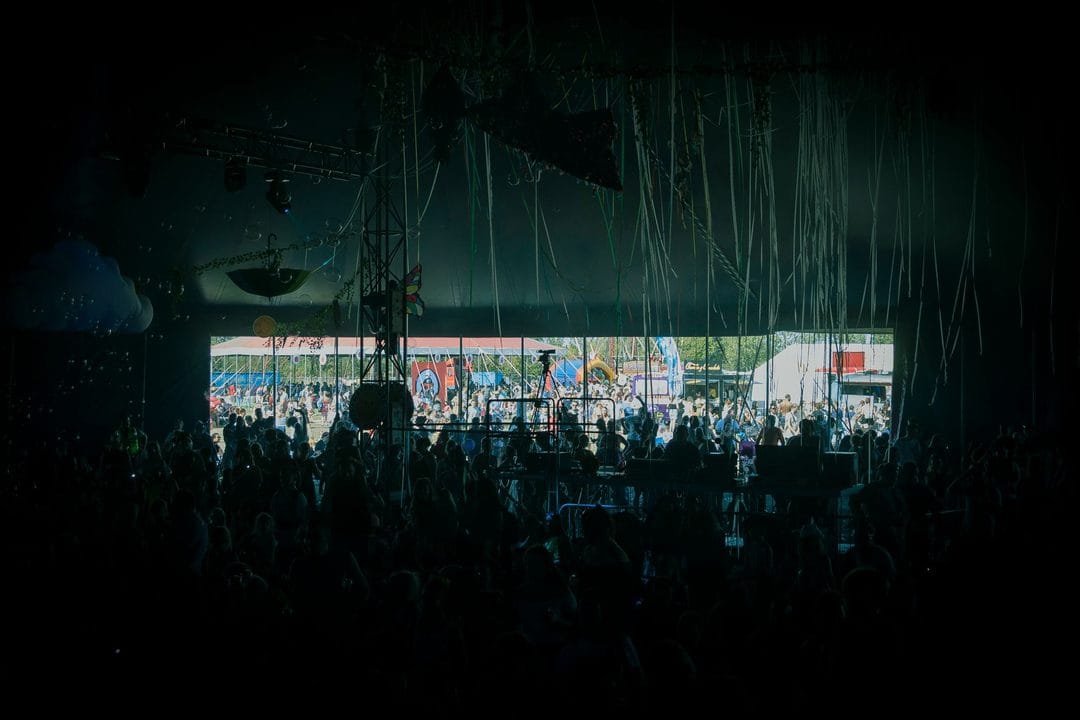
There is a particular kind of holiday that doesn't show up in the glossy brochures: three or four days at a festival in another country, sleeping badly, eating worse, and having the best time you've had all year. Glastonbury sells out in minutes, so plenty of women are looking further afield for 2026 — Sziget in Budapest in August, Primavera Sound in Barcelona, Roskilde in Denmark, Pohoda in Slovakia. The trip is wonderful. The logistics, if you don't plan them, will eat a full day and a chunk of your budget.
The ticket is the cheap part, and that catches people out
A weekend pass to Sziget runs around 270 to 320 euros for 2026, and Primavera's three-day ticket sits in a similar range. That number feels like the whole cost, and then you add the flight, four nights of accommodation, food inside the gates at festival prices, and the airport transfer at the far end. By the time you've totted it up, a "cheap" festival weekend in Budapest has quietly become a 700-pound trip. None of that is a reason not to go. It's a reason to know the real figure before you commit, rather than discovering it in week three when the accommodation you left too late has tripled.
Book the flight and a refundable bed first, then the ticket if it's still available — not the other way round. Festival tickets for the big names rarely vanish overnight, but Ryanair and easyJet fares to Barcelona and Budapest in late July climb steeply the longer you wait, and the cheap hostel beds within walking distance of the site go first. If you're travelling with friends, one person booking a whole apartment on a refundable rate and splitting it later is almost always cheaper and calmer than four people each scrambling for a hostel bunk.
What to actually pack, from someone who has done it wrong
The single best thing I ever brought to a festival was a roll of gaffer tape and a power bank that holds three full phone charges. The worst thing I ever did was assume I'd buy sun cream there. You won't — or you'll pay 14 euros for a tiny tube at a stall by the gate. A few things genuinely change the weekend:
- A refillable water bottle. Most European festivals now have free refill points, and dehydration in 35-degree Budapest heat ruins more days than any hangover.
- A power bank, because a dead phone means no tickets, no meeting point, no way home.
- Earplugs — the soft foam kind cost almost nothing and you'll sleep, which matters more on night three than you think.
- One outfit you don't mind ruining, and shoes you've already broken in. New trainers and a 20,000-step day do not mix.
Pack light enough to carry everything in one bag across a campsite at midnight, because at some point you will be doing exactly that.
The bit nobody mentions: going solo is fine, until it isn't
Plenty of women go to festivals alone and have a brilliant, liberating time. The crowds are friendly, the queues are good for conversation, and there's a freedom in watching whoever you want without negotiating. But solo at a festival is genuinely different from solo in a city. You can't nip back to a locked hotel room, the crowds get dense and dark after headliners, and phone signal collapses exactly when you most want to find people.
So set up the safety net before you need it. Agree a physical meeting point with anyone you arrive with — a specific food stall, not "by the main stage," which is useless among 50,000 people. Share your live location with someone back home. Keep a paper note of your accommodation address, because your phone will die at the worst moment. And trust the instinct that says leave now; the last train or the night bus matters more than one more song.
Money, phones and the boring stuff that saves the weekend
Most major European festivals have gone cashless, loading credit onto a wristband you top up by card. The catch is that leftover credit is a faff to reclaim afterwards, so top up in small amounts rather than dumping 200 euros on day one. Tell your bank you're travelling, or a sensible fraud-protection system will freeze your card the first time you tap it at a bar in Slovakia.
Travel insurance that actually covers festivals is worth the 20-odd pounds — standard policies sometimes exclude crowded events, and a sprained ankle in Budapest without cover is a story you don't want. Roskilde and Sziget both run well-staffed medical tents, and the people in them have seen everything, so don't tough out heatstroke to save face.
The flight home is the part you'll resent planning and the part you'll be most grateful for. Book a late-afternoon departure, not a 6am one. Nobody has ever enjoyed dragging a damp tent to an airport on two hours' sleep.