I checked into a guesthouse in Porto's Cedofeita neighborhood on a Tuesday afternoon, dropped my bag, and walked straight downhill toward the river without a map, just following the sound of seagulls and the smell of grilled sardines drifting up from somewhere I couldn't see yet. Twenty minutes later I was standing on the upper deck of the Dom Luís I Bridge, watching the Douro turn gold, and I remember thinking: everyone told me to go to Lisbon first. That's the thing about Porto that took me a full trip to understand — it doesn't announce itself the way Lisbon does, with its postcard trams and its Instagram-ready miradouros. It just sits there, gray granite and blue-tiled churches, being genuinely beautiful without asking anyone to notice. I'd flown into Porto's Francisco Sá Carneiro airport on a budget TAP fare from Amsterdam, the kind of ticket where the seat doesn't recline and you pay extra for a carry-on bigger than a laptop bag, and the metro ride from the terminal into the city center took barely twenty-five minutes and cost €2.60. Nobody at the guesthouse blinked when I checked in solo with a battered backpack and no return date pinned down yet, which is the kind of small, unremarked-upon normalcy that tells you more about a city than any guidebook does.
Why Porto Beats Lisbon for a First Solo Trip
Lisbon gets the tourists, and Porto gets to stay itself, which is exactly the trade-off you want as a solo traveler. The whole historic center — Ribeira, Aliados, Cedofeita, Bonfim — fits inside a walkable radius that a determined pair of legs can cover in under an hour, so you're never more than a short walk from your bed no matter how far you wander. Prices run noticeably lower than Lisbon too: a private room in a well-reviewed guesthouse costs €35–55 a night, a full lunch with a glass of vinho verde rarely clears €12, and a taxi across the entire city center tops out around €8. Add the fact that English is widely spoken in the tourist-facing parts of town, that the metro and tram system is simple enough to figure out in one ride, and that Porto's crime rate is consistently among the lowest of any major European city, and you have a place that lets first-time solo travelers build confidence without constantly testing it. Portugal as a whole ranks among the top handful of countries globally on the Global Peace Index, and Porto specifically reports lower per-capita violent crime than most mid-sized cities in France or Spain, numbers that matter more to a solo traveler's nervous system than any amount of reassurance from a blog post. I noticed the difference within a day: shopkeepers left doors propped open at night, and I saw more than one café owner step away from an unattended till without a second thought.
What surprised me most was how much the city rewards just sitting still. I spent one entire afternoon at a café table in Praça de Carlos Alberto doing nothing but drinking a bica and watching the square's regulars — an elderly man walking the same loop with his dog, a group of students arguing about football, a shopkeeper smoking outside her own door — and it remains one of my favorite hours of the whole trip, no ticket required.
Where to Stay
Base yourself in Cedofeita or Bonfim, not directly in Ribeira. Ribeira's riverside houses look stunning in every photo you'll take, but the streets are steep cobblestone stairs that turn into a genuine workout with luggage, and the restaurants right on the waterfront are priced for tourists who never leave that one block. Cedofeita gives you a 10-minute walk down to the river through some of the city's best independent shops and street art, while staying quiet enough to sleep well.
- Gallery Hostel in Cedofeita — part boutique hostel, part working art gallery, with dorms from around €22 and private rooms from €60
- Guest House Douro if you want a splurge with a river view (around €120/night) — book a room facing the water and the extra cost pays for itself at breakfast
- The Passenger Hostel, built into the old São Bento train station itself, which is worth walking through even if you stay elsewhere just to see the azulejo tilework in the main hall
Airbnb listings in the Ribeira district often look like a bargain until you read the fine print about stairs — some of the converted townhouses have four or five flights with no elevator, which is manageable with a carry-on and considerably less fun with a checked bag.
Port Wine, and Why You Should Cross the River for It
Here's the local secret that catches most first-time visitors off guard: the port wine cellars aren't in Porto proper, they're across the river in Vila Nova de Gaia, and the walk over the lower deck of the Dom Luís I Bridge is one of the best fifteen minutes of the entire trip. Graham's and Taylor's are the big, polished names with proper tour infrastructure — tastings run €15–25 depending on the vintage tier — but I'd point you toward Quinta do Noval or one of the smaller family-run cellars if you want a guide who actually knows the winemaker's grandfather's name. Skip the tourist-trap terrace bars advertising "sunset port tasting" with a chalkboard sign out front; the wine is fine, but you're paying double for the view and getting a rushed, scripted pour.
What to Eat, and the One Dish You Have to Approach With a Plan
Porto's signature dish is the francesinha, a sandwich stacked with several kinds of meat, drowned in melted cheese, and swimming in a beer-and-tomato sauce that arrives closer to soup than condiment. It is enormous, genuinely delicious, and not something you should order lightly on a solo trip — split one if you can, or plan to skip dinner entirely afterward, because I did not and regretted it by 9 p.m.
- Café Santiago or Lado B for the classic francesinha experience, both under €12
- Cantina 32 for a modern take on traditional Portuguese dishes in a converted 1930s building
- Traça for tripas à moda do Porto if you want to try the dish that gave the city's residents their nickname of "tripeiros," among a few other traditional spots worth the detour
For something lighter, the Bolhão Market reopened a few years back after a long renovation and is worth a morning wander even if you're not buying anything — fresh bread, cheese, and fruit stalls sit next to flower vendors who've been running the same stand for decades. I'd skip the touristy petisco bars lining Rua das Flores and instead find a seat at Prova, a small wine bar with an actual local following where a glass of natural wine runs €4–6.
The Honest Safety Picture
Here's the short version: Porto is one of the easiest cities in Europe to get around alone as a woman, and I mean that as someone who's now done this in a dozen countries. Violent crime targeting tourists is rare, locals are quick to help if you look lost, and I walked back to my Cedofeita guesthouse alone after 11 p.m. more nights than not without a single tense moment.
Portuguese hospitality culture leans warm rather than performative — a shopkeeper once walked me two blocks to a pharmacy rather than just pointing, which is the kind of small gesture that adds up over a week alone. That said, this isn't a city where you can switch your guard off entirely, and it would be dishonest to pretend otherwise. Pickpocketing is a real, documented issue on Porto's public transit and in the crowded blocks near São Bento station, tram 1 along the river is a known target for bag-slashing during peak tourist hours, and the steep, uneven Ribeira stairs are genuinely dangerous after rain or a glass of port. I'd also flag the taxi ranks outside the main train stations, where unlicensed drivers sometimes quote flat rates well above what an Uber or Bolt would charge for the identical ride — check the app price before you get in, even if it costs you two extra minutes standing on the curb. None of this is meant to scare you off; it's the same low-grade vigilance I'd bring to Barcelona or Naples, not a warning specific to Portugal.
The Day Trip Worth Rearranging Your Schedule For
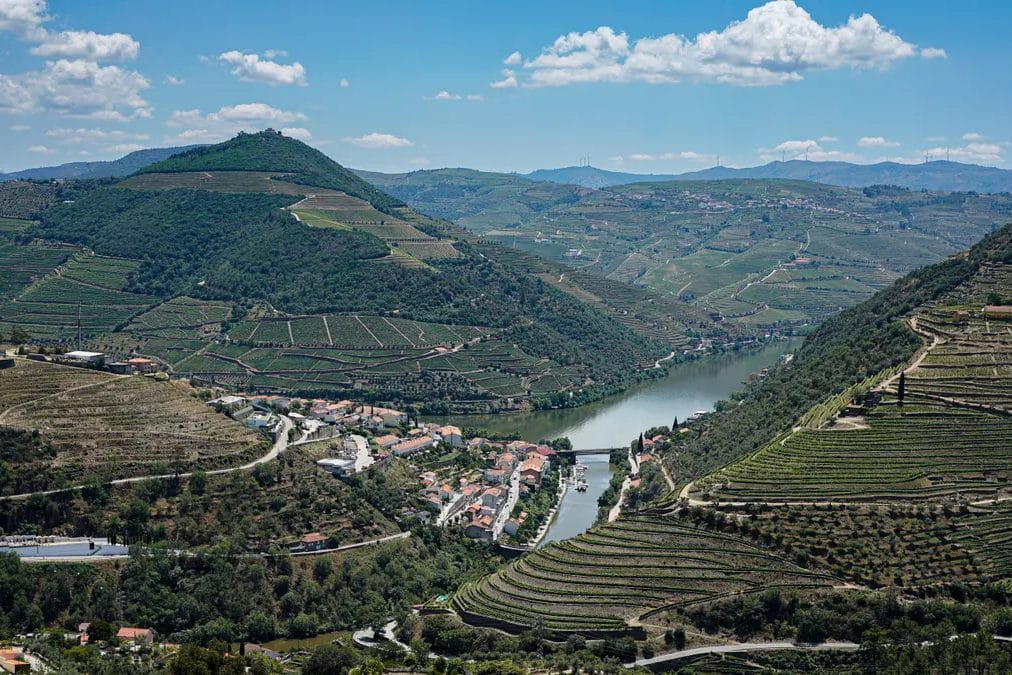
The Douro Valley is an hour and a half from Porto by train and one of the most striking landscapes I've seen anywhere in Europe — terraced vineyards climbing impossibly steep hillsides along a river that curves through them like it was designed for the view. Take the regional train from São Bento to Pinhão (around €13 one-way) rather than booking an organized tour bus, since the train ride itself runs along the river for the last hour and is arguably better than anything a bus window offers. From Pinhão, several quintas run tastings and lunch for €30–50, and Quinta das Carvalhas is an easy 20-minute walk from the station if you'd rather not arrange transport in advance. Go on a weekday if you can manage it; weekend trains fill up fast in high season, and the quintas get noticeably more crowded.
What I'd Actually Tell a Friend
Budget four days minimum, not two. Porto is compact enough to see the landmarks quickly, but the city's real value is in the slower stuff — the café table you return to twice, the bookshop you get genuinely lost in, the port cellar tour that runs forty minutes over because the guide got talking. Bring a printed map or download the offline city map before you land, since cell signal drops out in some of the older stone-walled parts of Ribeira, and pack shoes with real grip; those famous cobblestones turn slick within seconds of rain, and Porto gets more rain than its sunny reputation on Instagram lets on.