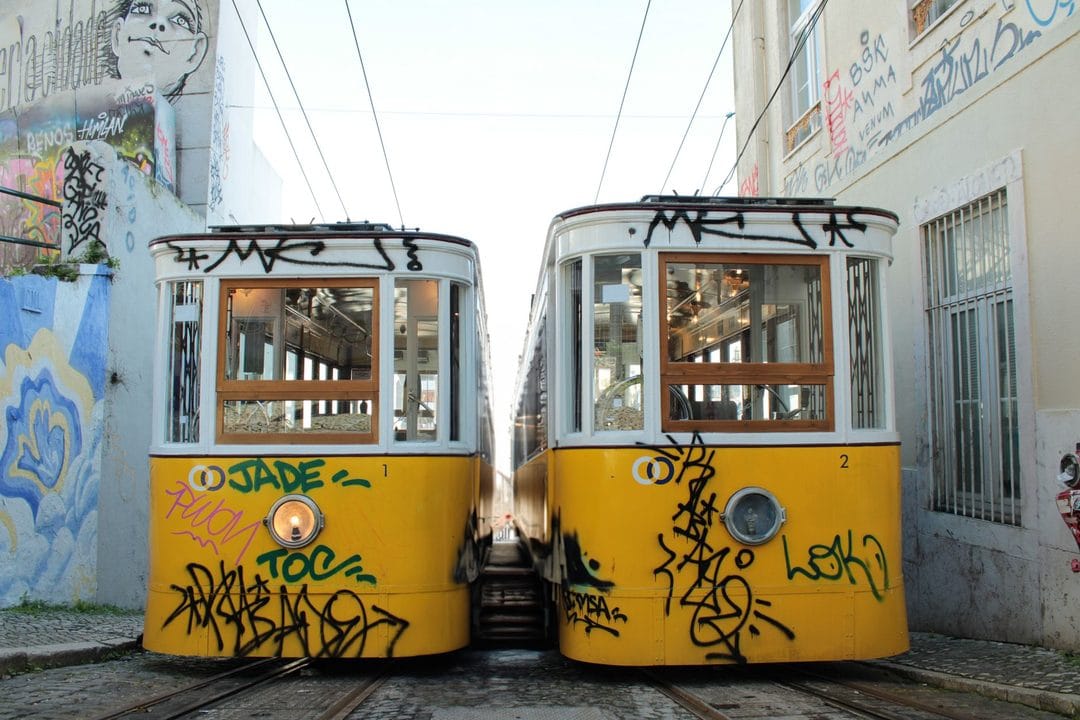
Why Lisbon suits a solo trip
Lisbon is one of the easiest European cities for a traveller on their own, and the reasons are practical rather than romantic. The city is built on steep hills, so people walk slowly and stop often, which makes it natural to sit alone at a café, read a book and watch the trams go past. Public transport is cheap and frequent, the historic centre is compact, and the food culture is built around small, friendly places where a person eating alone is nothing unusual. Many visitors arrive expecting the postcard view and leave with a clearer sense of how the city works after dark, in the markets and in the neighbourhood bars where locals gather.
The trade-off is that Lisbon can feel tiring on the feet and sometimes chaotic in the high season. Summer crowds fill the tram 28 and the main squares, and some of the most popular viewpoints are shoulder to shoulder by late afternoon. A solo traveller can avoid most of this by planning the busy places for early morning, keeping the evenings for quieter streets, and choosing a few fixed points for each day so the schedule does not drift.
Choosing a neighbourhood that fits you
Alfama is the oldest district, with narrow streets, laundry hanging between buildings and fado houses that are best in the evening. It is beautiful and atmospheric, but the steep staircases are hard on luggage and the nights can be noisy near the main alleys. Baixa, the grid of streets below the castle, is the most practical base, with easy access to the metro and plenty of restaurants that stay open late. Chiado and Bairro Alto are lively and social, which suits a solo traveller who wants to meet people, though the bars in Bairro Alto get loud on weekends.
For a quieter stay, look at Graça, Campo de Ourique or Príncipe Real. These areas have local cafés, small shops and a slower evening rhythm, and they are often cheaper than the centre. The trade-off is that you will walk or take a tram more often to reach the main sights. Choose the neighbourhood by asking how you want your evenings to feel, not only by how close it is to the castle.
Safety that does not get in the way
Lisbon is generally considered a safe city for solo travellers, and violent crime against visitors is uncommon. The most frequent problems are petty theft on crowded trams and pickpocketing near the busiest stops, especially on the 28. Keep your bag in front of you on the tram, do not leave your phone on a café table near the edge, and use a zipped pocket for cards and cash. Walking alone at night is normal in most central areas, but stick to lit streets, and avoid isolated stairways in Alfama after midnight.
Use official taxis or ride-hailing apps rather than unmarked cars, and share your location with someone at home if you are going out late. Keep a photocopy of your passport in your bag and store the original in the hotel safe, since copies are often enough for police reports and most identity checks. Trust your instincts about people and places, and leave a bar or street that feels wrong, even if it looks busy.
A realistic budget for one person
Solo travel costs more per person than sharing a room, so it helps to plan the budget before you go. A mid-range hotel or guesthouse in the centre can run from about 90 to 150 euros a night in the shoulder season, while a private room in a well-run hostel is often closer to 40 to 70 euros. Public transport is inexpensive, and a rechargeable Viva Viagem card with a day or multi-day pass covers the metro, trams and most buses at low cost. Sightseeing is affordable, with many museums charging modest entry fees and free days on some weekdays, so check the schedule before you go.
Food can be cheap or expensive depending on where you eat. A lunch of soup and a main at a neighbourhood tasca often costs less than a tourist café on the square, and the portions are generous. Budget for at least one nicer dinner per trip, because eating alone in a good restaurant is one of the pleasures of solo travel. Keep a running note of what you spend each day, since small purchases add up faster than most people expect.
A calm five-day plan
Day one, arrive, settle in and walk down to the river in the late afternoon, when the light over the Tagus is at its best. Day two, take the tram to Belém in the morning, visit the monastery and the tower early before the queues build, and spend the afternoon in a café by the water. Day three, explore Alfama on foot, starting at the castle and drifting downhill, and eat lunch in a small local restaurant with a hand-written menu. Day four, take the train to Sintra for a half-day trip and visit one palace rather than trying to see them all. Day five, spend the morning in Graça or Campo de Ourique, then return to the centre for a final dinner and a last walk through Baixa.
This plan is deliberately light. It gives you a few anchor points and leaves room for unplanned hours, which is where solo travel becomes memorable. If you feel tired on any day, drop an activity rather than pushing through, because the best moments in Lisbon often happen when you stop walking and simply sit.
Staying social without a group
Solo travellers often worry about loneliness, but Lisbon makes it easy to meet people in ordinary ways. Hostels with common kitchens and walking tours are obvious options, and a food tour or a fado evening gives you a natural conversation starter. Sit at the bar in a small restaurant rather than at a table, because bartenders and other diners are often happy to talk. Take a class, such as a Portuguese cooking workshop or a short language session, if you want a structured way to meet people.
Equally, do not be afraid of time alone. A slow afternoon with a notebook, a coffee and a view of the river is one of the best things about travelling solo. Return home with a few stories and a sense that you spent the trip the way you wanted, not the way a group would have chosen.
Money is simpler in Lisbon than in many cities, but a few habits will save you time and stress. Most places accept cards, including small cafés and tascas, although a few traditional spots still prefer cash for small amounts. Carry a little euro cash for trams, markets and tips, because card terminals can be slow at busy times. Withdrawals from ATMs inside bank branches are usually cheaper than those from independent machines on the street, which often charge a flat fee. Tipping is appreciated but not mandatory, and rounding up or leaving a few euros for good service is the normal courtesy. Check your bank's foreign transaction fees before you travel, since those charges can add up across a week of small purchases.
Your daily routine is easier if you plan around Lisbon's hills and weather. Wear shoes with real grip, because the cobbled pavements of Chiado and Alfama become slippery after rain. Bring a light layer for the evening, since the wind off the river can make a warm afternoon feel cold after sunset. Keep a refillable bottle with you, and fill it at the public fountains that many neighbourhoods still maintain. Pharmacies are common and clearly marked with a green cross, and staff often speak enough English to help with simple needs. Save the number of your embassy and your travel insurance provider in your phone before you leave the hotel.
Eating alone can feel awkward in some cities, but Lisbon's café culture makes it natural. Ask for a seat at the counter if you prefer conversation, or take a window table if you want to watch the street. Lunch is usually the best value, since many restaurants offer a set menu with soup, a main and a drink for a fixed price. Dinner tends to start late, often after nine, so you can take an early evening walk before you eat. A bica or a galão in the morning is a simple ritual that suits solo travellers well. Order slowly, read the room, and let the meal take the time it needs.
Plan your walking days with the hills in mind, because a route that looks short on a map can be exhausting on foot. Alfama and the Castelo area sit on steep slopes, so save them for a morning when you have energy, and use the trams or the Elevador da Glória for the climb. Baixa and Chiado are flatter and easier to cover on foot after a long breakfast. Rest in a café or on a bench when you need to, since the best street views in Lisbon are often found while sitting still.