For about ten years I booked the cheapest room that came up and felt faintly virtuous about it. Then a stranger followed me from a tram stop in Lisbon to the door of a guesthouse, watched me fumble the key, and I spent the rest of the trip moving a chair against the door at night. Nothing happened. But I came home and rewrote the way I book, and the changes cost almost nothing — they're just choices I now make on purpose instead of by accident.
Where the room sits matters more than what's in it
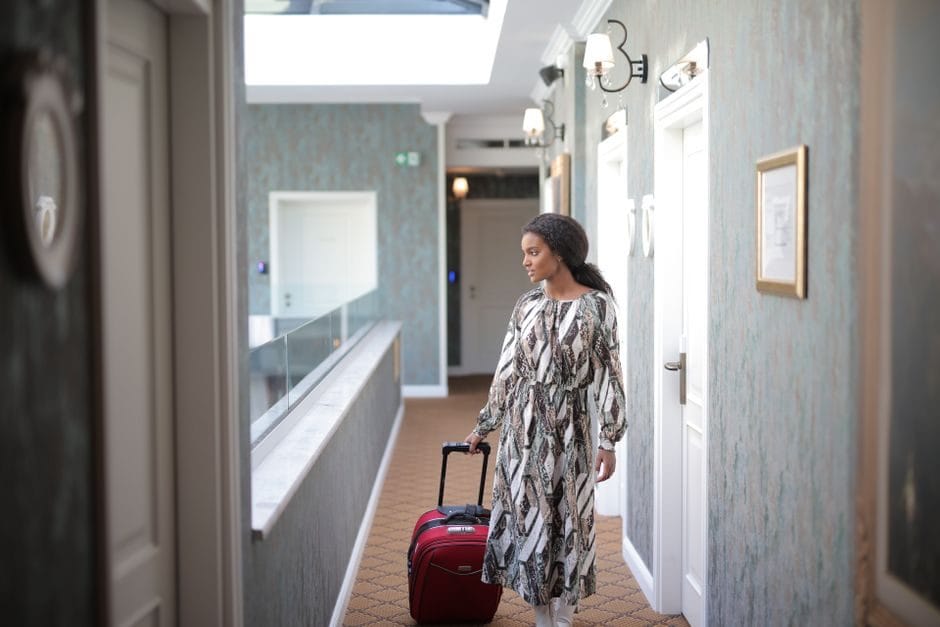
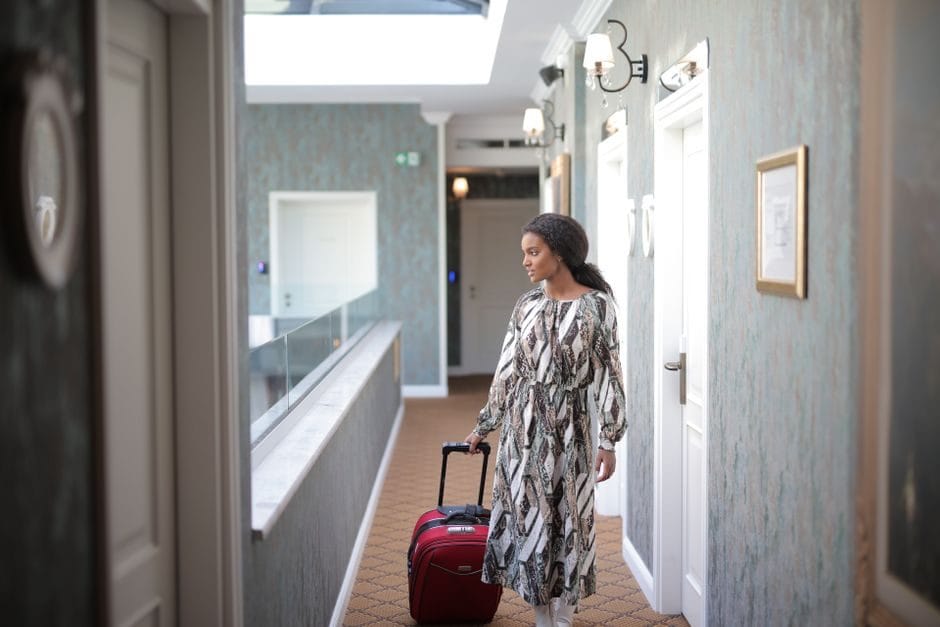
I no longer take ground-floor rooms with windows onto the street, and I won't take the very end of a long corridor either. Somewhere in the middle, a floor or two up, near the lift but not next to the stairwell — that's the sweet spot. It's the kind of thing hotels don't let you filter for, so I message the property directly after booking and ask. Most say yes. The ones that get cagey about a simple room-placement question tell me something useful before I've even arrived.
This isn't fear talking, and I want to be clear about that, because the travel-safety genre has a way of making women feel that the world is one long threat. It mostly isn't. A woman travelling alone through Portugal, Japan or New Zealand is statistically having a lovely, uneventful time. The point of these habits is the opposite of anxiety — they're the small, boring decisions that let me stop thinking about safety so I can actually enjoy the trip.
The things that genuinely help (and the theatre that doesn't)
A lot of "safety gear" sold to women travellers is theatre. The doorstop alarm, the anti-theft backpack with fourteen hidden zips, the personal siren on a keychain — they sell the feeling of doing something. A few things are worth the bag space, though, and they're cheaper than the gadgets:
- A rubber doorstop, the £3 kind from any hardware shop, wedged under a hotel door at night. It won't stop a determined break-in, but it turns a quiet entry into a loud one, which is the whole point.
- A power bank charged before you leave the room, because a dead phone in an unfamiliar city is the actual emergency, not the imagined one.
- Telling one person your rough plan for the day — a friend at home, a text into a group chat. Not a tracking app, just a human who'd notice.
What I've dropped is the elaborate stuff. I don't carry a fake wedding ring anymore; it never once changed how I was treated. I stopped pretending I was waiting for a husband when men approached, because a flat "no, I'm not interested" did the job better and didn't hand anyone a story I had to keep up.
The most useful safety habit I have isn't a product. It's walking into a place as though I've been there before, even the first time, especially the first time.
Arriving after dark is the one I plan around
If there's a single booking rule I'd give a friend taking her first solo trip this summer, it's this: pay more to land in daylight. The cheap 11pm flight into a city you don't know, then a station you can't read, then a walk to a guesthouse down streets you've never seen — that's where most of the genuinely uneasy moments cluster, not in some dramatic confrontation. A daytime arrival costs maybe €40 more on a Ryanair fare. I now treat that €40 as part of the price of going, the way I treat travel insurance.
There's a counter-argument I'll grant. Some of my best travel memories happened in the unplanned hours — a night bus in Vietnam, a wrong turn in Naples that led to the best pizza I've eaten. Locking everything down would have cost me those. So the daylight rule is for arrivals only, the moment when I'm most disoriented and carrying everything I own. Once I've slept and found my feet, I let the trip get loose again.
The version of solo travel worth protecting
None of this is about travelling scared. It's about front-loading a handful of small decisions so the rest of the trip can be careless in the good sense — the long lunch, the detour, the conversation with the woman running the café who tells you where to actually eat. The doorstop and the daylight arrival aren't the trip. They're what let me forget about all of it by the second morning, coffee in hand, map already abandoned.